Low-carb vs low-fat: which works better?
By Fat Burning Recipes · Updated Nov 18, 2026 · General information, not medical advice

Low-carb and low-fat diets have been debated for decades. One of the most careful trials to compare them head-to-head found something simple: the quality of the food and your ability to stick with it matter more than which macro you cut.
The DIETFITS trial
Stanford researchers randomly assigned 609 adults to a healthy low-fat or a healthy low-carbohydrate diet for 12 months. Both groups were coached to eat mostly whole, minimally processed foods, lots of vegetables, and to cook at home. After a year, average weight change was −5.3 kg in the low-fat group and −6.0 kg in the low-carb group, with no significant difference. Genetic patterns and insulin levels did not predict who did better on which diet (Gardner CD, et al. Effect of low-fat vs low-carbohydrate diet on 12-month weight loss (DIETFITS). JAMA. 2018;319(7):667–679).
The results also varied enormously between individuals within each group, which suggests that the diet you can follow matters most.
Small differences in blood markers
In the same study, LDL ("bad") cholesterol changes favored the low-fat group, while HDL and triglyceride changes favored the low-carb group. Neither diet was clearly better overall.
What this means in practice
- Pick the style you enjoy. If you love pasta, a lower-fat approach may be easier. If you prefer eggs and meat, lower-carb may suit you.
- Keep it "healthy". Both groups in DIETFITS focused on whole foods, not low-carb snack bars or low-fat cookies.
- Keep protein high. It helps either style feel more filling. Both groups in DIETFITS ate around 21–23% of calories from protein.
Recipes for either style
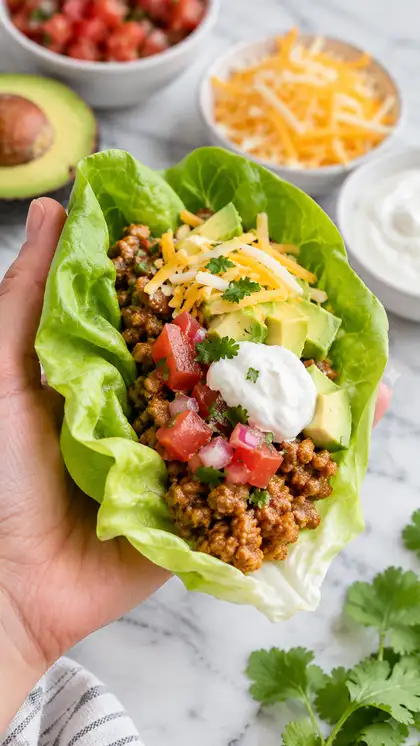
- Lower carb: cheeseburger bowl, turkey taco lettuce wraps, buffalo chicken dip.
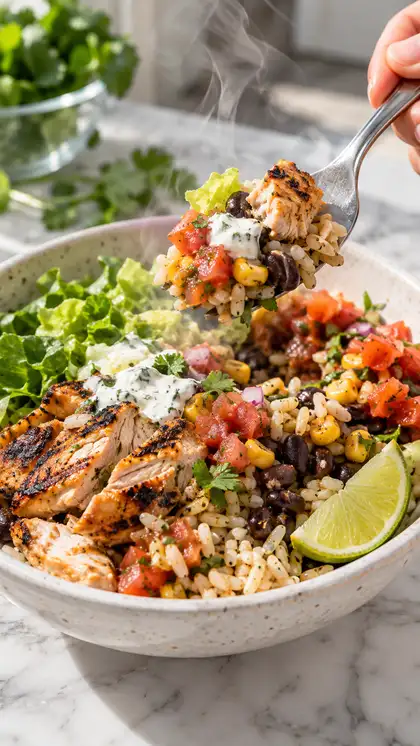
- Lower fat: spicy tuna rice bowl, protein French toast, beef pho.