How much protein per meal?
By Fat Burning Recipes · Updated Nov 18, 2026 · General information, not medical advice
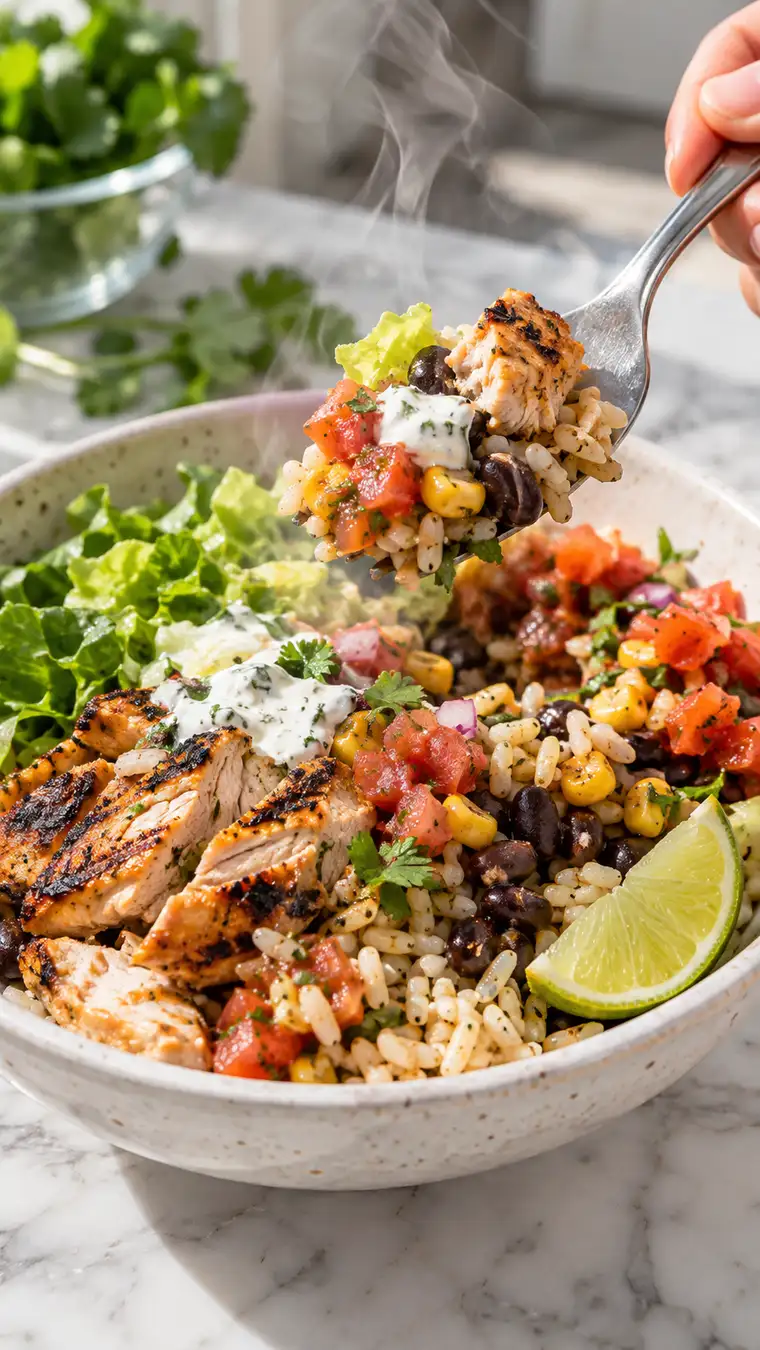
Most research-based advice lands on roughly 20–40g of protein per meal for active adults, spread across the day. Here is where that number comes from, how to work out your own, and what it looks like on a plate.
The short answer
The International Society of Sports Nutrition position stand on protein and exercise (Jäger et al., 2017) suggests about 0.25g of protein per kilogram of body weight per meal, or an absolute 20–40g per meal, eaten every 3–4 hours. For people who exercise regularly, the same paper recommends 1.4–2.0g per kilogram per day in total.
The Dietary Guidelines for Americans, 2025–2030, released in January 2026, now recommend about 1.2–1.6g of protein per kilogram per day for adults and encourage protein at every meal. That is up from the long-standing Recommended Dietary Allowance of 0.8g/kg, which was set as the amount that covers basic needs for most healthy people.
Work out your own number
Take your weight in kilograms (pounds ÷ 2.2) and multiply:
- Per meal: weight × 0.25 to 0.4
- Per day (if you train): weight × 1.4 to 2.0
| Body weight | Per meal (0.25–0.4 g/kg) | Per day (1.4–2.0 g/kg) |
|---|---|---|
| 55 kg / 121 lb | 14–22 g | 77–110 g |
| 70 kg / 154 lb | 18–28 g | 98–140 g |
| 85 kg / 187 lb | 21–34 g | 119–170 g |
| 100 kg / 220 lb | 25–40 g | 140–200 g |
Rounded. Ranges are general guidance for healthy adults, not personal advice.
Why spread it out?
Many people eat very little protein at breakfast and most of it at dinner. Spreading protein over 3–4 meals is one of the practical points the ISSN position stand makes: it gives you several chances a day to hit a useful amount. It is also simply easier: four meals of 30g is 120g a day without any single huge portion.
Protein-rich meals also tend to feel more filling, which can make a calorie-conscious way of eating easier to stick with. Total calories over time still matter most for weight change.
What 30g of protein looks like
| Food | Amount for ~30g protein | Approx. calories |
|---|---|---|
| Chicken breast, cooked | 100 g (3.5 oz) | 165 |
| Canned light tuna in water, drained | 120 g (about 1 can) | 140 |
| Plain non-fat Greek yogurt | 300 g (1¼ cups) | 175 |
| Liquid egg whites | 275 g (1 cup + 2 tbsp) | 145 |
| 2% cottage cheese | 290 g (1¼ cups) | 245 |
| Firm tofu | 175 g (6 oz) | 250 |
| Cooked lentils | 330 g (1⅔ cups) | 385 |
Values per USDA FoodData Central, rounded. Brands vary, so check the label.
Notice how much the calorie cost changes: lean animal proteins and Greek yogurt give you 30g for under 200 calories, while plant foods like lentils bring more carbs and calories with them (plus fiber). Both can work; it depends on your goals.
Is 40–50g in one meal too much?
Many of our recipes have 40–57g of protein because they are designed as a main meal. That is fine for most healthy people. Your body still digests and uses that protein; what matters most is your total for the day and spreading it reasonably. If one meal is big, the others can be lighter.
Easy high-protein meals to start with
- High-Protein Breakfast Burrito: 51g protein, 390 kcal
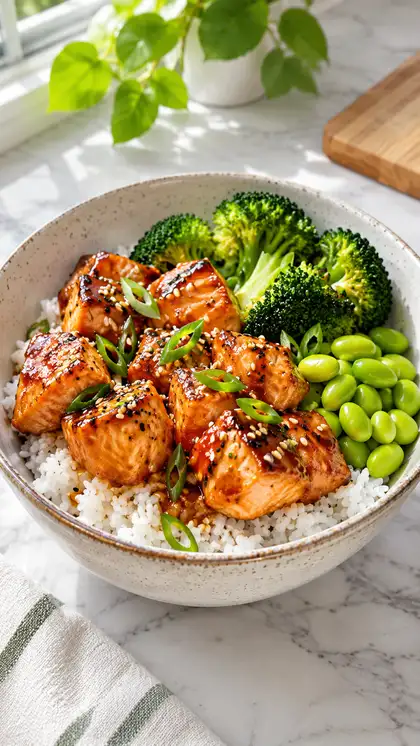
- Spicy Tuna Rice Bowl: 46g protein, 440 kcal, 5 minutes
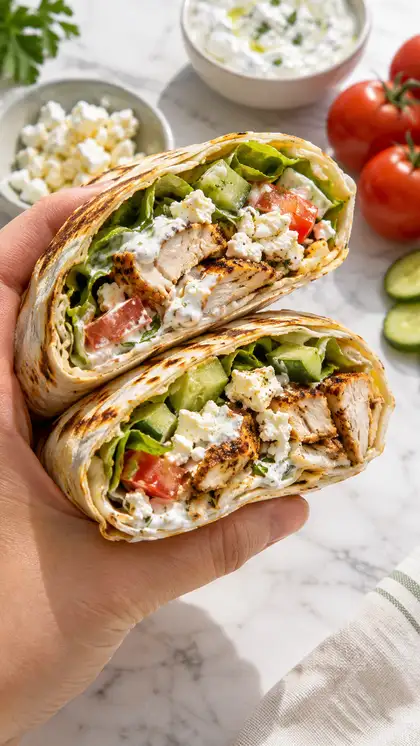
- Greek Yogurt Chicken Wrap: 45g protein, 370 kcal
- Sheet-Pan Chicken Meal Prep: 39g protein per box
Sources
- Jäger R, et al. International Society of Sports Nutrition Position Stand: protein and exercise. J Int Soc Sports Nutr. 2017;14:20. Read the paper
- USDA FoodData Central, U.S. Department of Agriculture: nutrient values for the foods above.
- Dietary Guidelines for Americans, 2025–2030.