How to cook juicy chicken breast
By Fat Burning Recipes · Updated Nov 18, 2026 · General information, not medical advice
Chicken breast is one of the leanest, most protein-dense foods you can buy, about 31g of protein per 100g cooked. It is also very easy to overcook. These six steps fix that.
1. Make it an even thickness
Chicken breasts are thick at one end and thin at the other, so the thin end dries out before the thick end is cooked. Pound the thick end to about 2 cm (¾ inch), or slice the breast in half horizontally into two thin cutlets.
2. Season ahead (or brine)
Salting 30 minutes to a few hours ahead helps the meat stay juicy. For extra insurance, soak it in a simple brine (1 tbsp salt per 4 cups of water) for 30–60 minutes, then pat dry.
3. Pat it dry
A dry surface browns; a wet one steams. Use paper towels before cooking.
4. Use the right heat
- Pan: medium-high heat, a non-stick pan and a little cooking spray, about 5–6 minutes per side for a 2 cm breast.
- Oven: 220°C / 425°F for about 18–22 minutes.
- Air fryer: 190°C / 375°F for about 12–16 minutes, turning once.
5. Use a thermometer, not a timer
The USDA's safe minimum internal temperature for all poultry is 165°F (74°C) (USDA FSIS: Safe Minimum Internal Temperature Chart). Check the thickest part. Color is not a reliable test.
6. Let it rest
Rest the chicken for about 5 minutes before slicing so the juices stay inside. Slice against the grain for more tender pieces.
Ways to use it
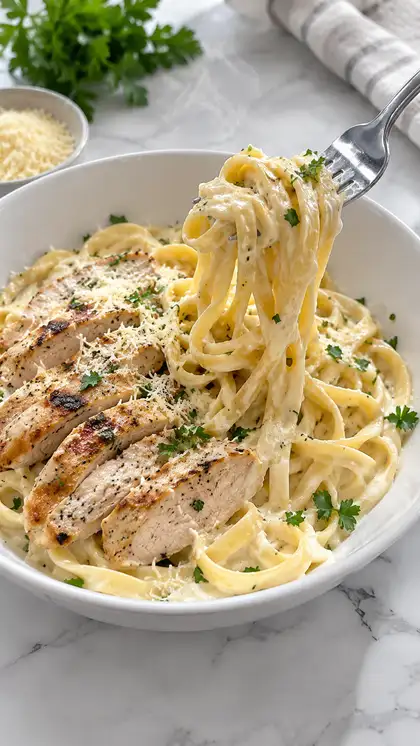
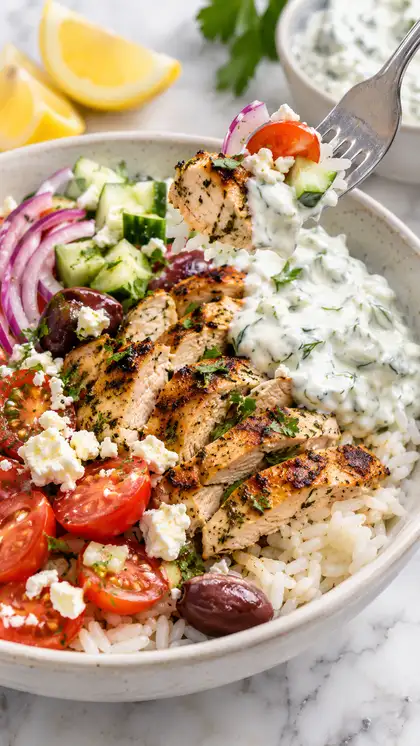
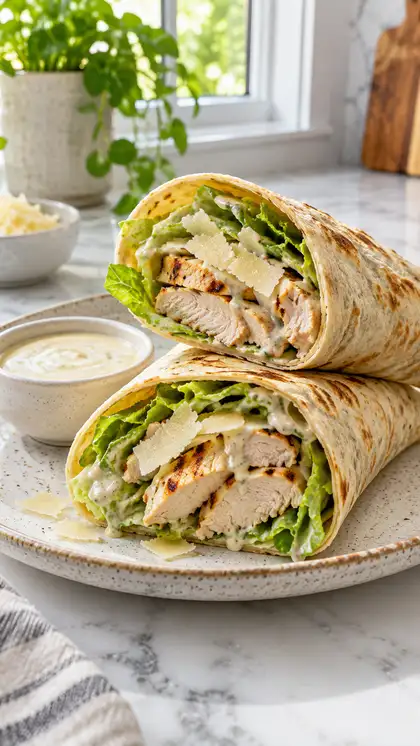
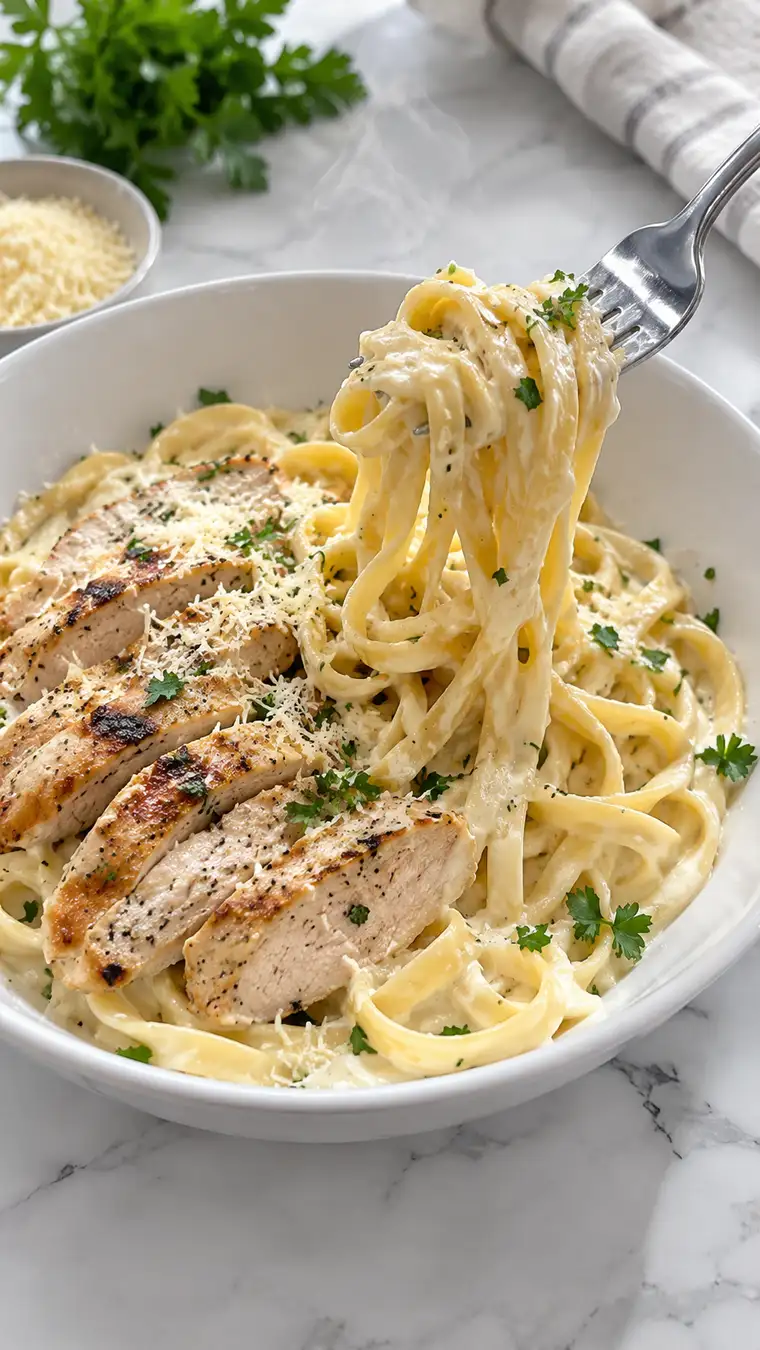
Gyro bowls, Caesar wraps, chicken alfredo and peanut noodles.
Sources
- USDA FSIS: Safe Minimum Internal Temperature Chart
- USDA FoodData Central: protein in cooked chicken breast.