How to eat high-protein on a budget
By Fat Burning Recipes · Updated Nov 18, 2026 · General information, not medical advice
High-protein eating can sound expensive, but some of the best protein sources are also some of the cheapest. It mostly comes down to planning and knowing what to buy.
1. Plan before you shop
MyPlate's first budget tip is to plan meals for the week around your budget and write a list (MyPlate: Healthy Eating on a Budget). Planning 3–4 recipes that share ingredients cuts waste.
2. Build around budget proteins
- Eggs and liquid egg whites: breakfasts, muffins, fried rice.
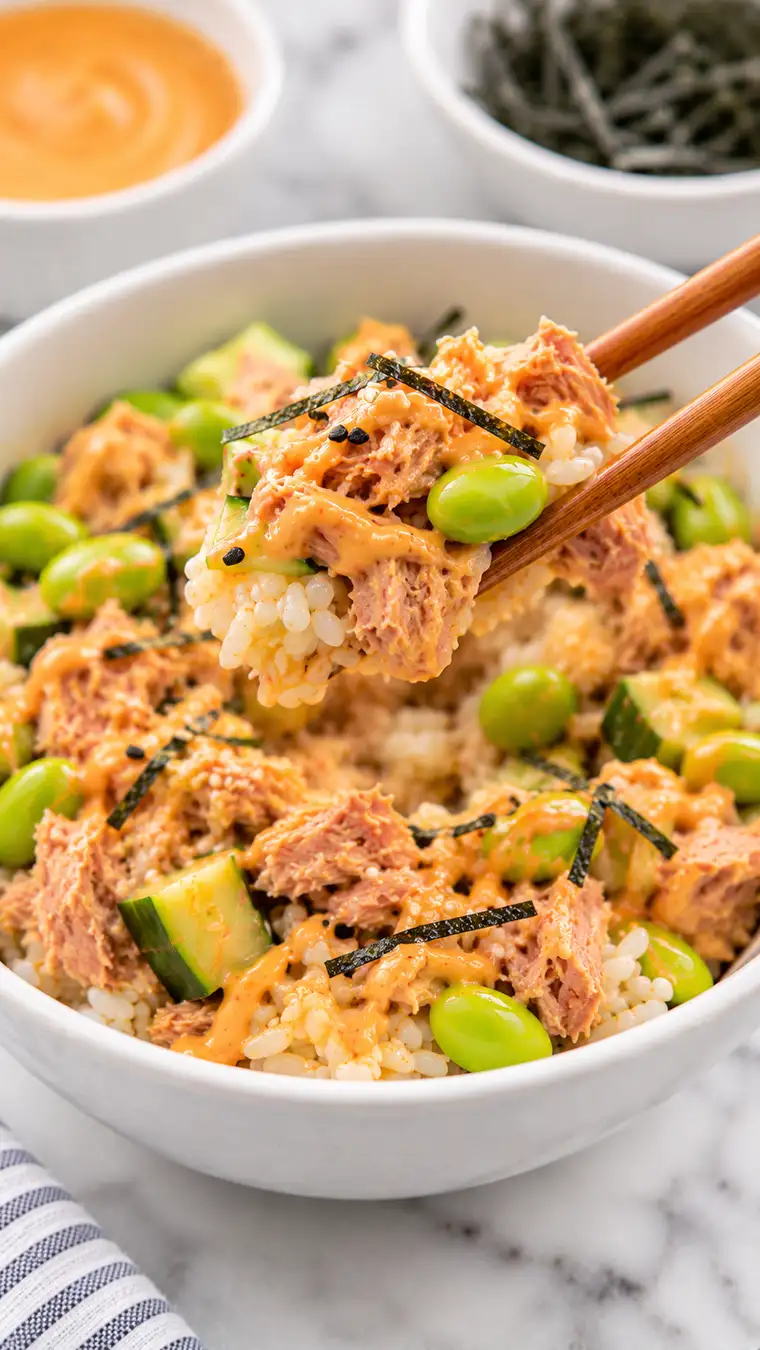
- Canned tuna and salmon: quick bowls like our spicy tuna rice bowl.
- Cottage cheese and Greek yogurt in large tubs: cheaper than single cups.
- Dry or canned beans and lentils: protein plus fiber.
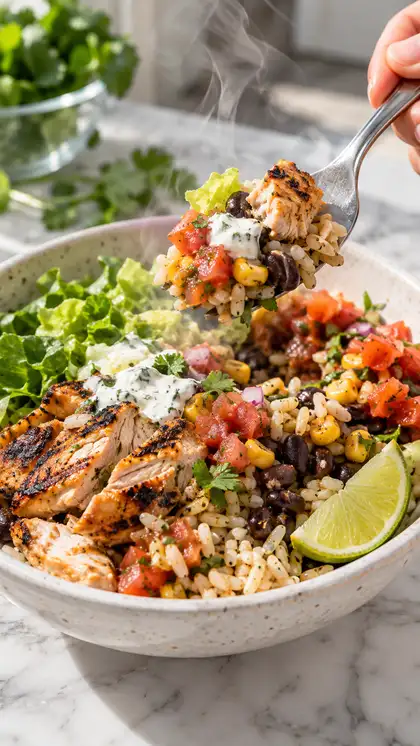
- Chicken breast or thighs in family packs: portion and freeze.
3. Use frozen and canned produce
Frozen vegetables, frozen fruit and canned tomatoes are picked ripe, keep for months and are often cheaper than fresh. Choose versions without added sauces or sugar.
4. Compare unit prices
Look at the price per pound, ounce or 100g on the shelf tag, not the package price. Store brands are often the same quality for less.
5. Cook once, eat several times
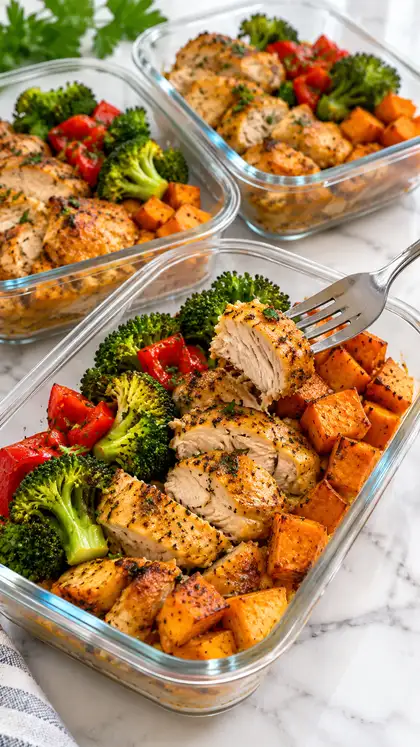
Cook a big batch of protein and reuse it: shredded chicken can become buffalo chicken dip, fried rice and a Caesar wrap. See meal prep for beginners.
6. Waste less
Freeze leftovers within 3–4 days and use older produce in soups, stir-fries and omelets. Check our high-protein grocery list for staples that keep well.